
shelf 2
Placed on the back of the hand and inhaled through the nose, finely ground tobacco, or snuff, offers a smokeless way of ingesting nicotine. The practice began in Brazil, spreading through the Americas and to Europe by the 1700s, where the custom became one of social performance, accompanied by innovatively designed snuff boxes.
Click an object to learn more
Images
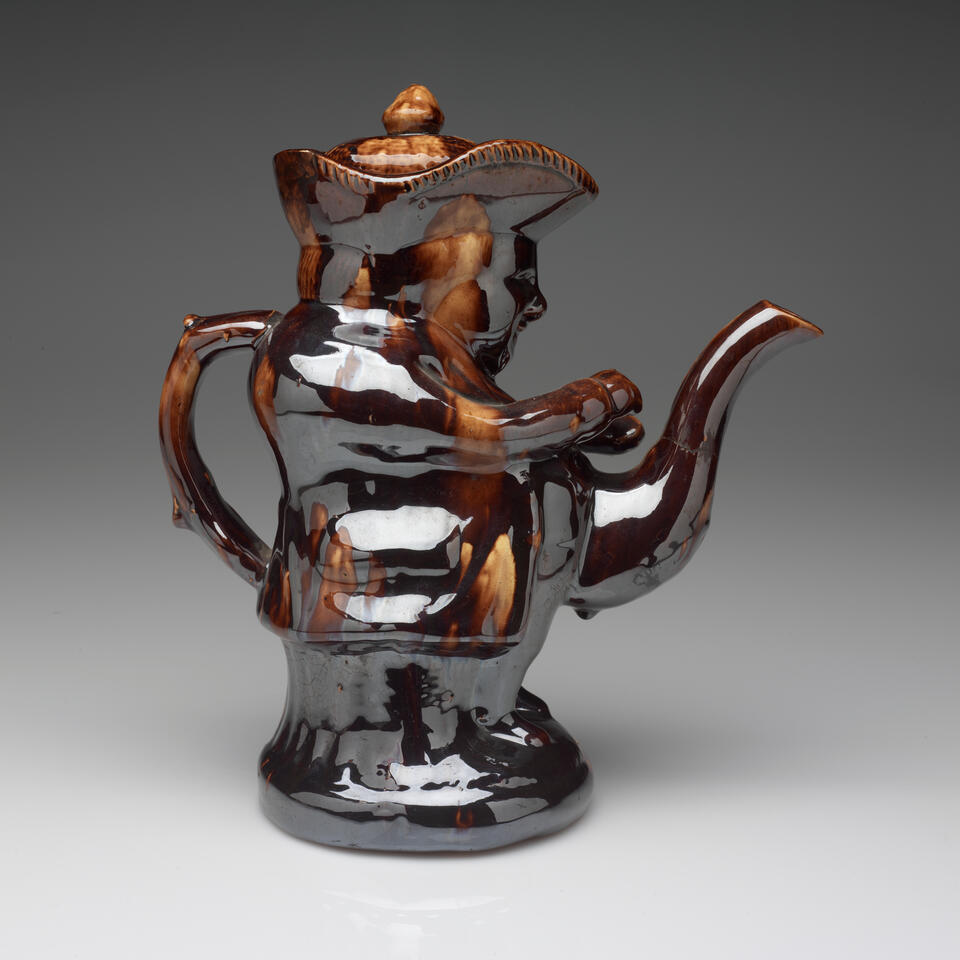
American
Snuff-Taker Toby Teapot, mid-1800s
Ceramic with glaze
Gift of Miss Alice Brownell, Mrs. Ernst R. Behrend and Alfred S. Brownell 29.189

John Wakefield, English, active 1798–1818
Snuffbox, ca. 1800
Shell and silver
Gift of Richard and Inge Chafee 2013.73.5

Andreas Blytt, Norwegian, 1754–1825
Incense Burner, ca. 1795
Silver
Bequest of Mrs. Hope Brown Russell 09.719
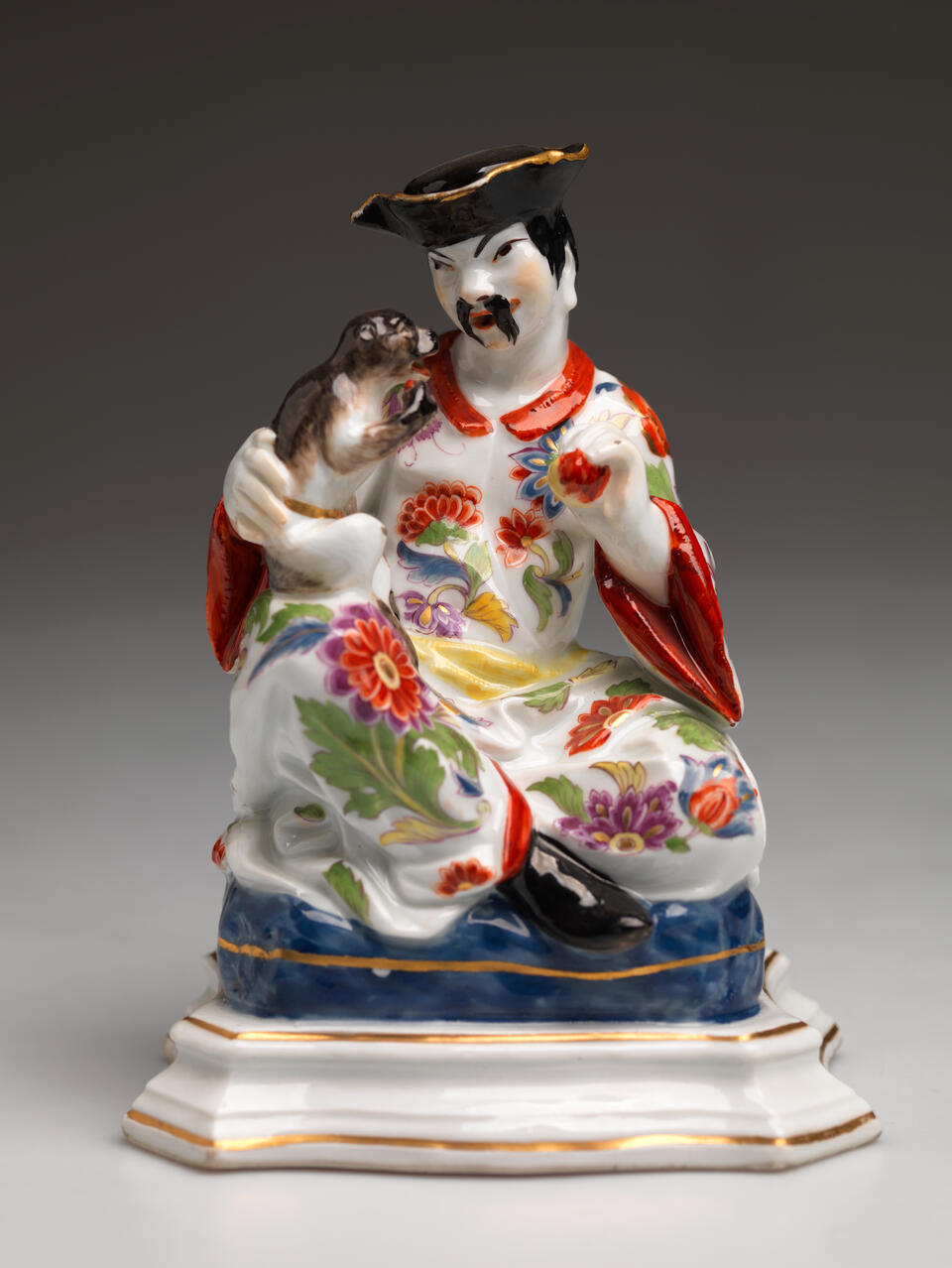
Johann Friedrich Eberlein, modeler
German, 1696–1749
Meissen Porcelain Manufactory
German, 1710–present
Incense Burner in the Form of a Chinese Man, ca. 1735
Porcelain with enamels, glaze, and gilding
Bequest of Miss Lucy T. Aldrich 55.173

German
Incense Burner, ca. 1525
Copper with gilding, silver, and bronze
Museum Works of Art Fund 48.330
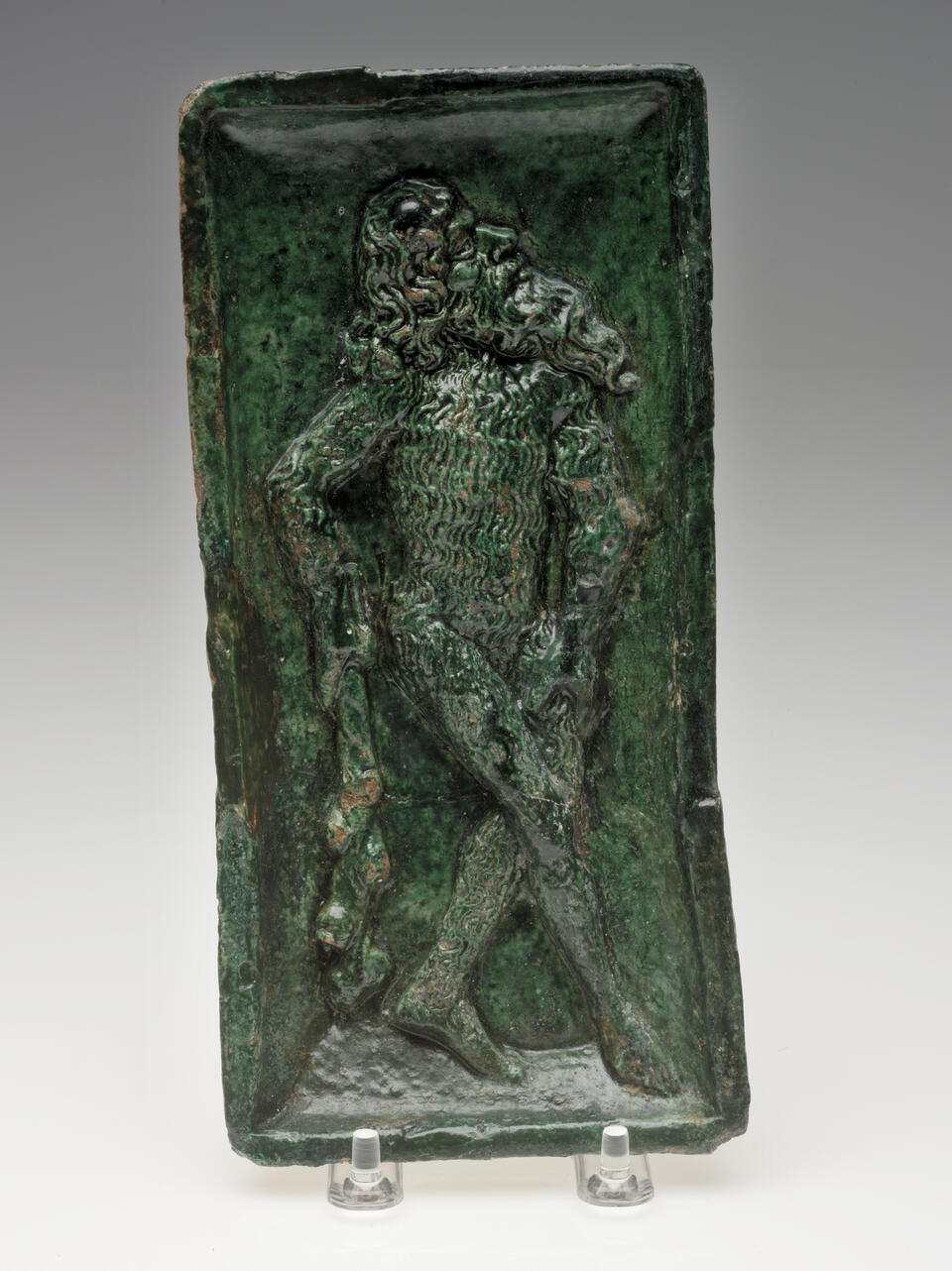
German
Wildman Stove Tile, ca. 1480
Earthenware with lead glaze
Gift of Mr. Leopold Blumka 48.445