
shelf 5
Served from various ceramic and metal containers, salt is one of the five basic tastes, and essential for normal function of the human body—although too much salt can also cause health issues. Underscoring salt’s role in the history of world commerce, the word salary comes from the Latin sal, meaning salt, as Roman soldiers were sometimes paid in salt.
Click an object to learn more
Images
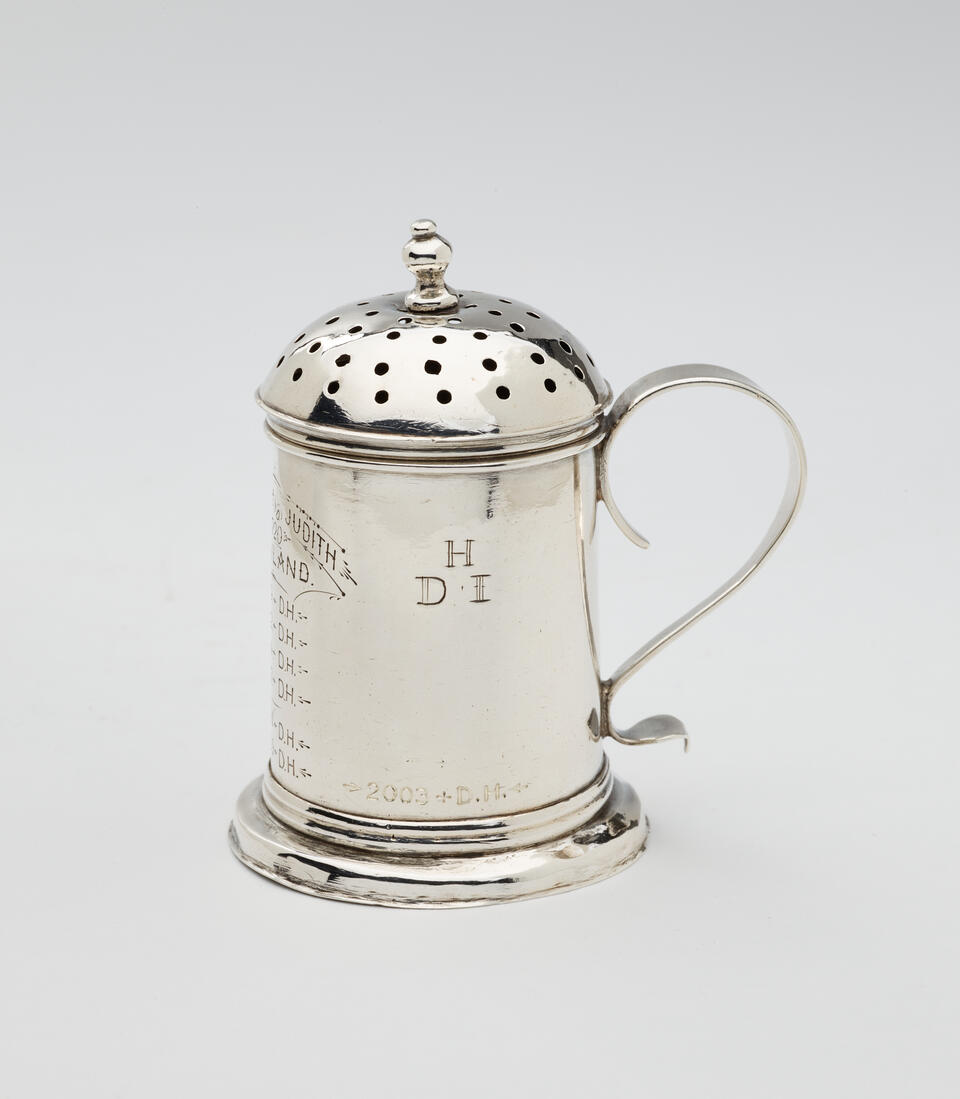
Samuel Vernon
American, 1683–1737
Pepperbox, ca. 1720
Silver
Bequest of Daniel Howland 2003.135.2
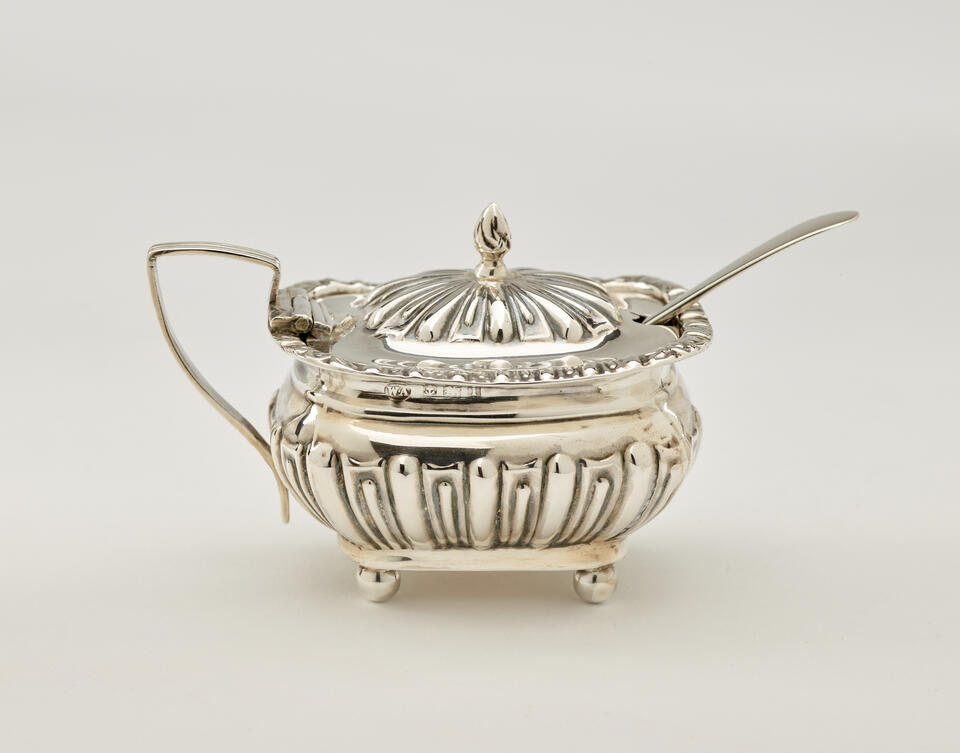
William Aitken, silversmith
English (Birmingham), active ca. 1894–1921
Mustard Pot with Spoon, 1908
Silver with gilding and glass
Gift of Miss Elizabeth E. Holland 37.413
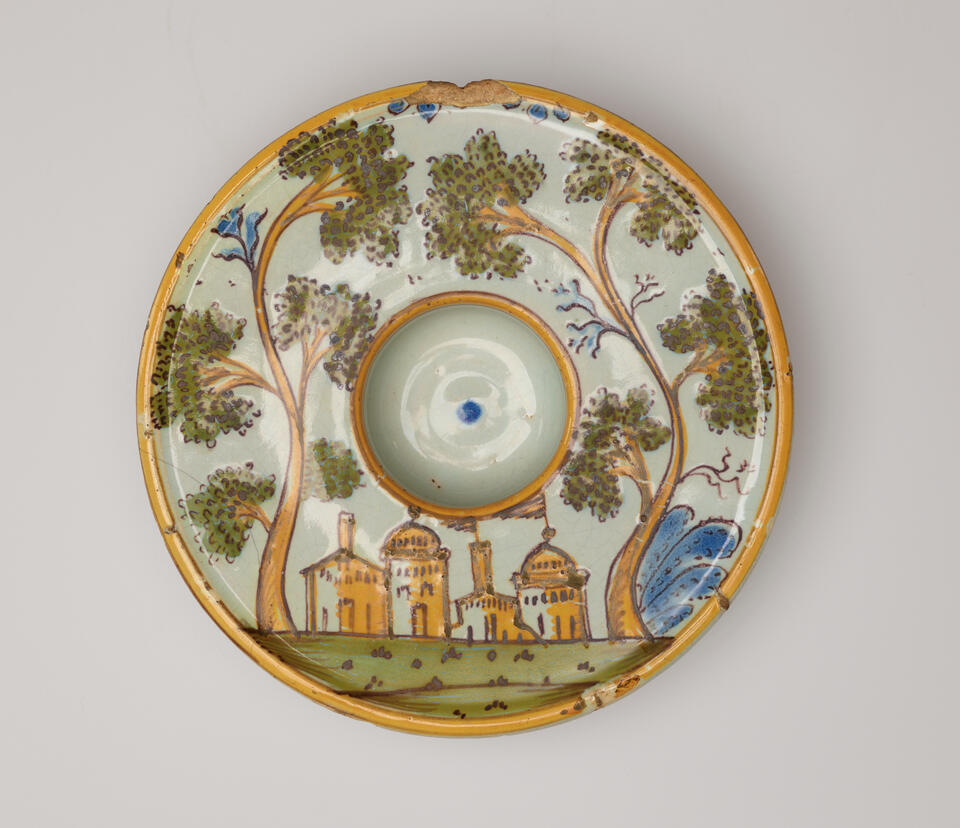
Italian
Salt Dish, 1600s–1700s
Earthenware with tin glaze, polychrome metal oxides, and glaze
Gift of Mr. Eugene L. Garbaty 51.112
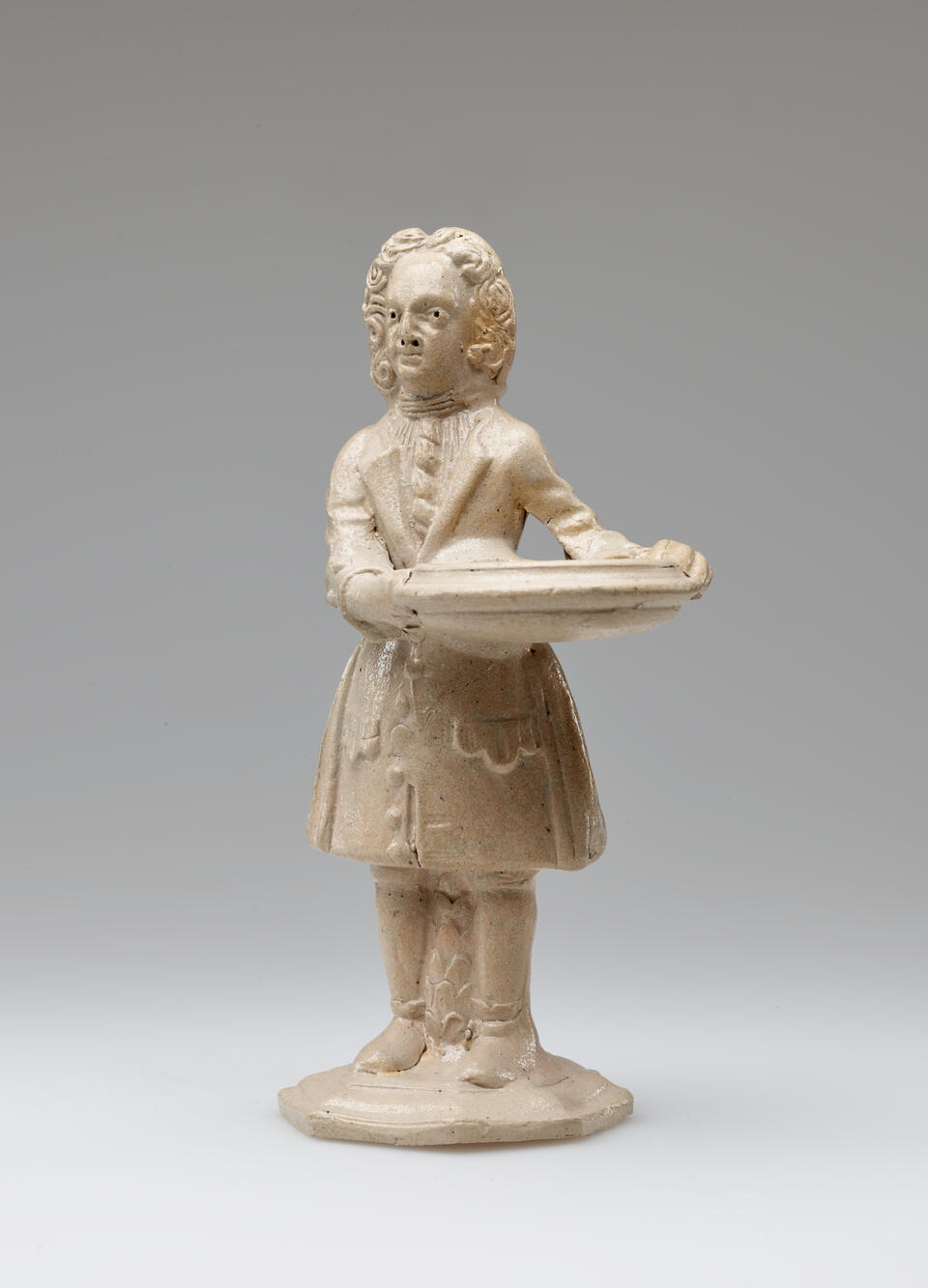
German
Figural Standing Salt, 1740–1760
Stoneware with salt glaze
Walter H. Kimball Fund 1996.17
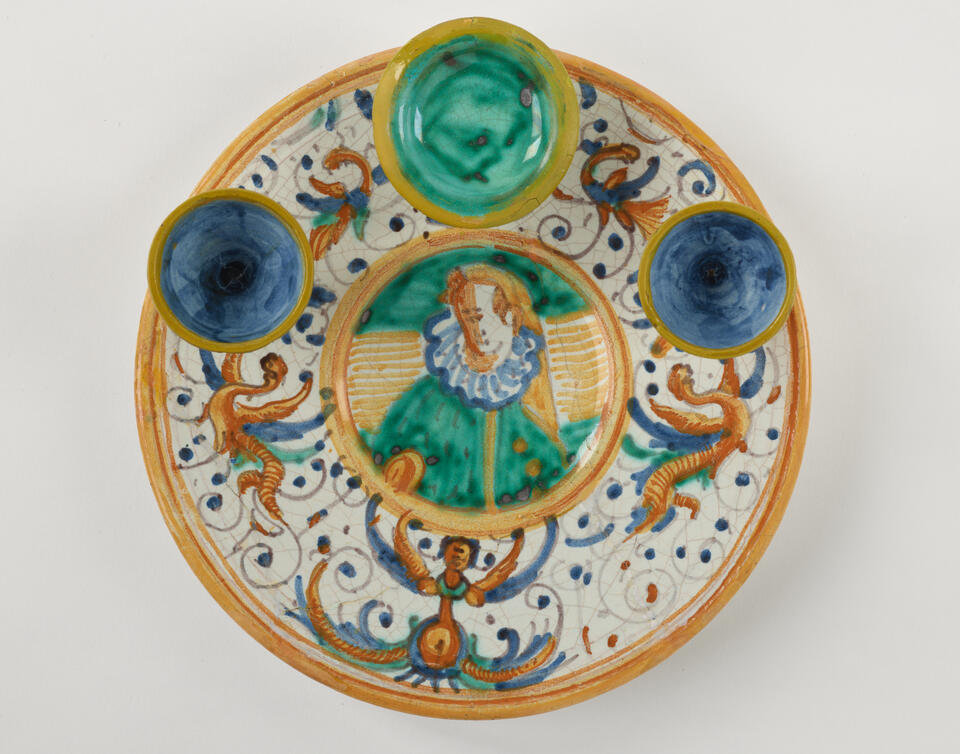
Italian (Deruta)
Plate with Egg Cups and Salt Dish, ca. 1600
Earthenware with tin glaze, polychrome metal oxides, and glaze
Bequest of Mrs. Hope Brown Russell 09.515
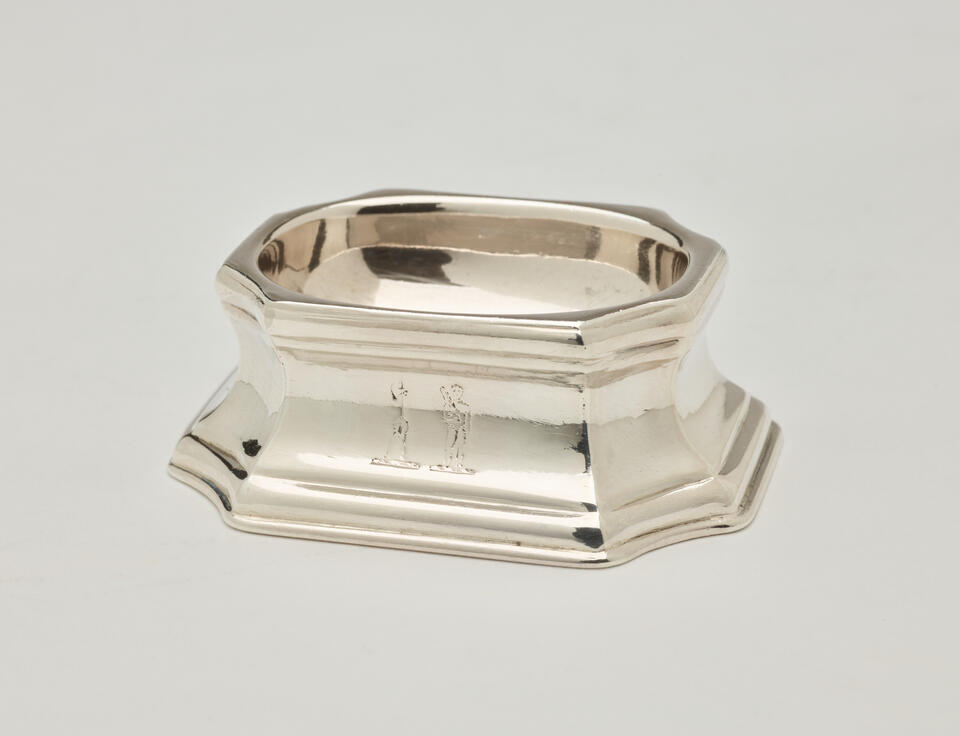
John Tuite
b. Ireland, active Dublin 1710-1720, active London 1723–d. 1740
Pair of Salts, 1727
Silver
Gift and Bequest from the Collection of David and Peggy Rockefeller 2017.74.35.1–2
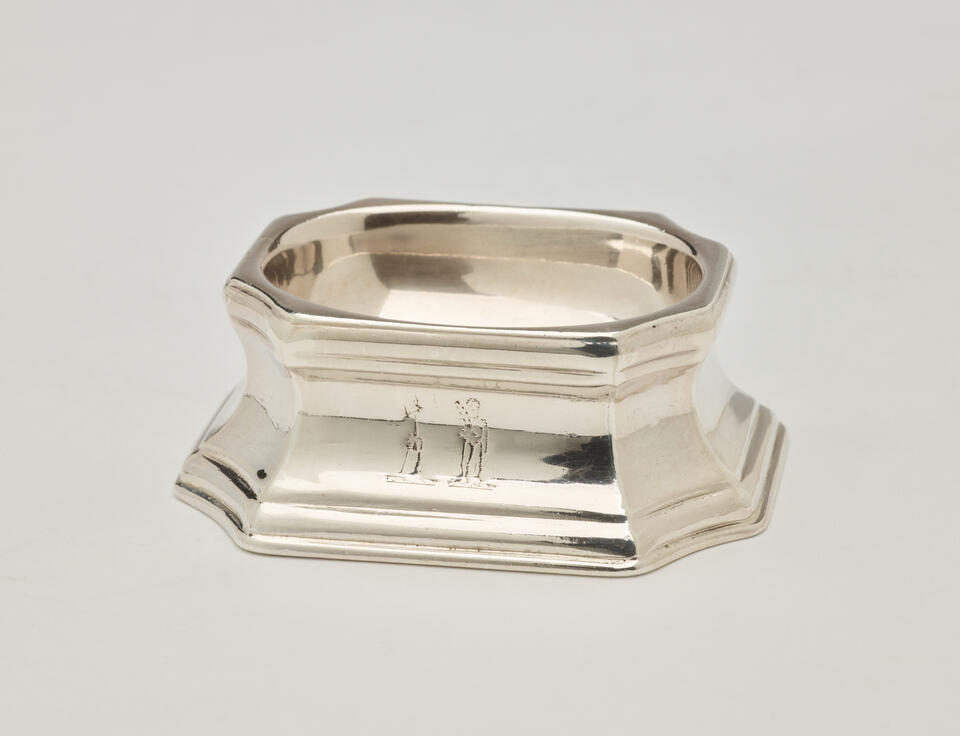
John Tuite
b. Ireland, active Dublin 1710-1720, active London 1723–d. 1740
Pair of Salts, 1727
Silver
Gift and Bequest from the Collection of David and Peggy Rockefeller 2017.74.35.1–2
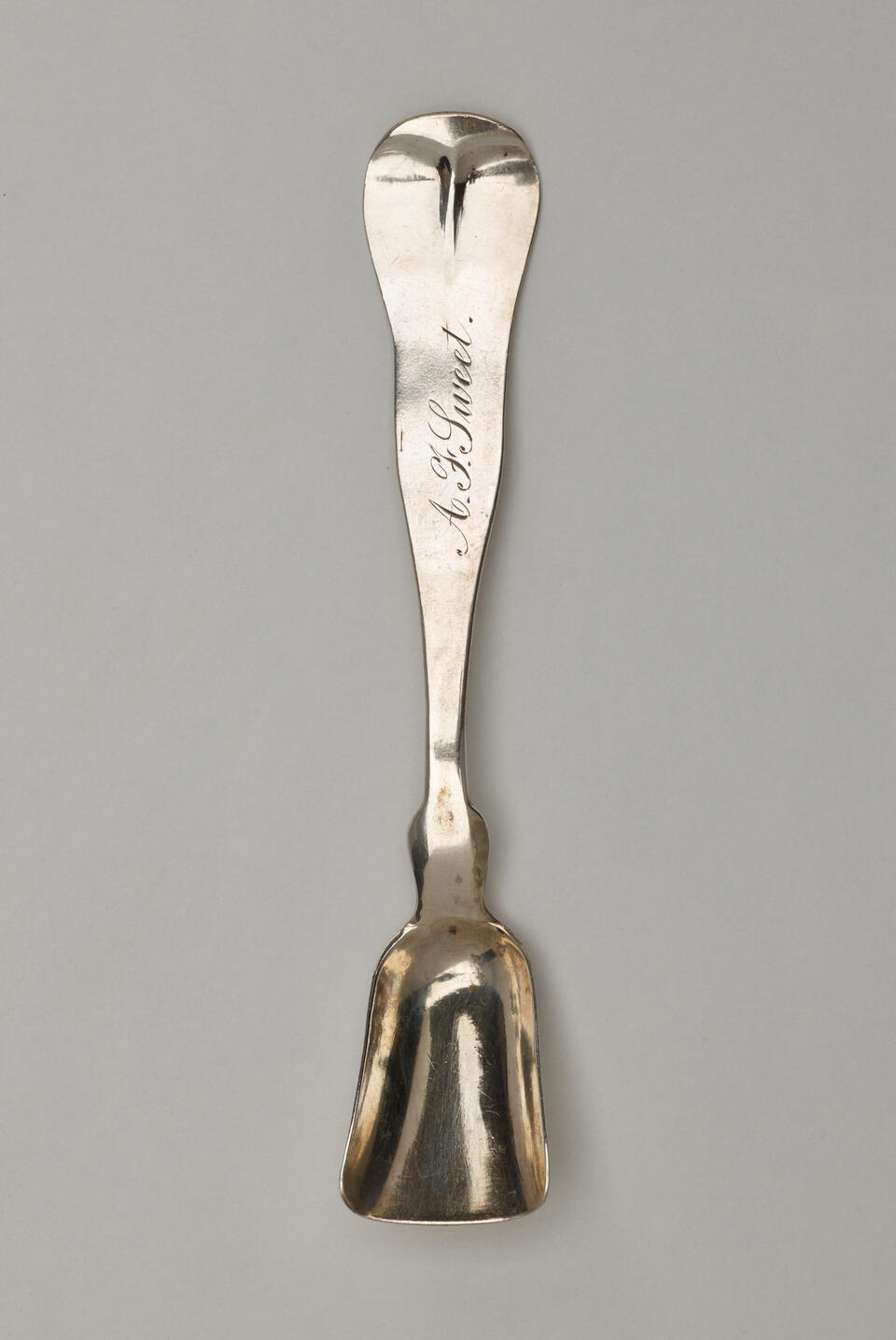
William S. Morgan
American, active 1832–1881
Pair of Salt Spoons, mid-1800s
Silver
Gift of the Estate of Elizabeth T. Casey 1989.045.12.166.1–2
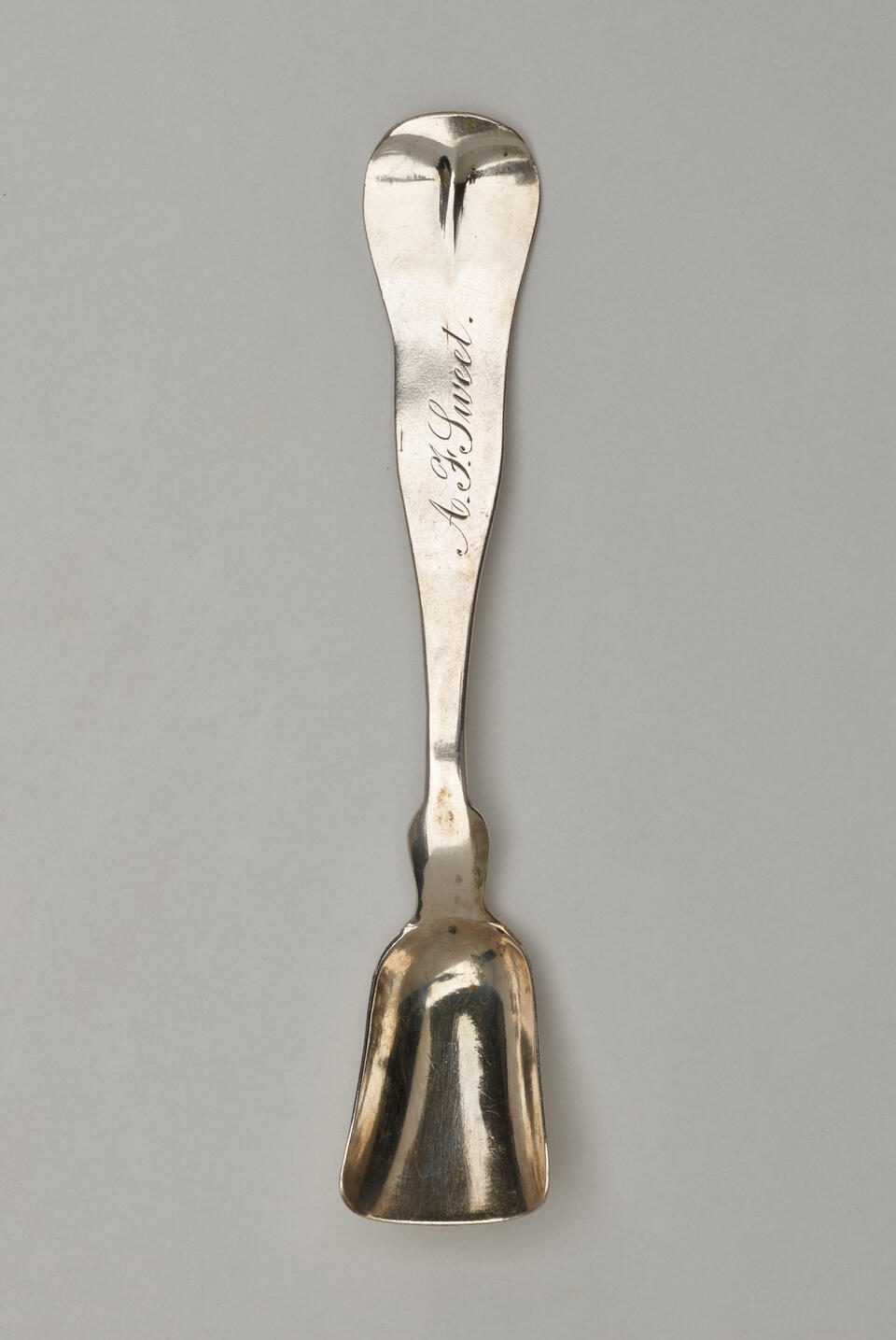
William S. Morgan
American, active 1832–1881
Pair of Salt Spoons, mid-1800s
Silver
Gift of the Estate of Elizabeth T. Casey 1989.045.12.166.1–2
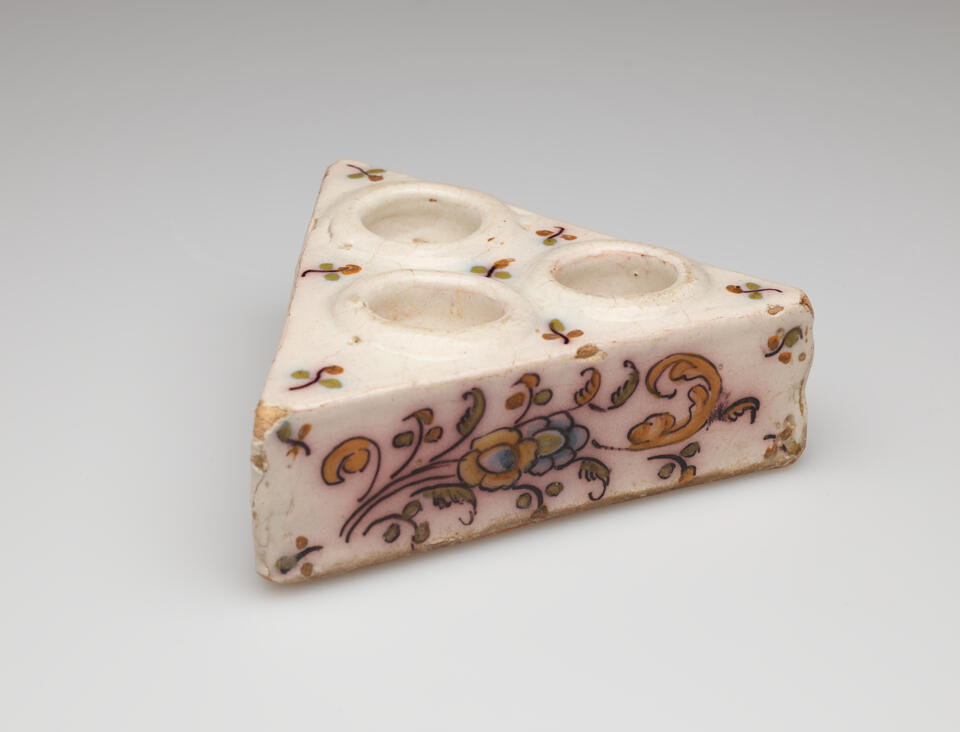
French
Salt Cellar, early 1700s
Earthenware with tin glaze, polychrome metal oxides, and glaze
Bequest of Martha B. Lisle 67.250
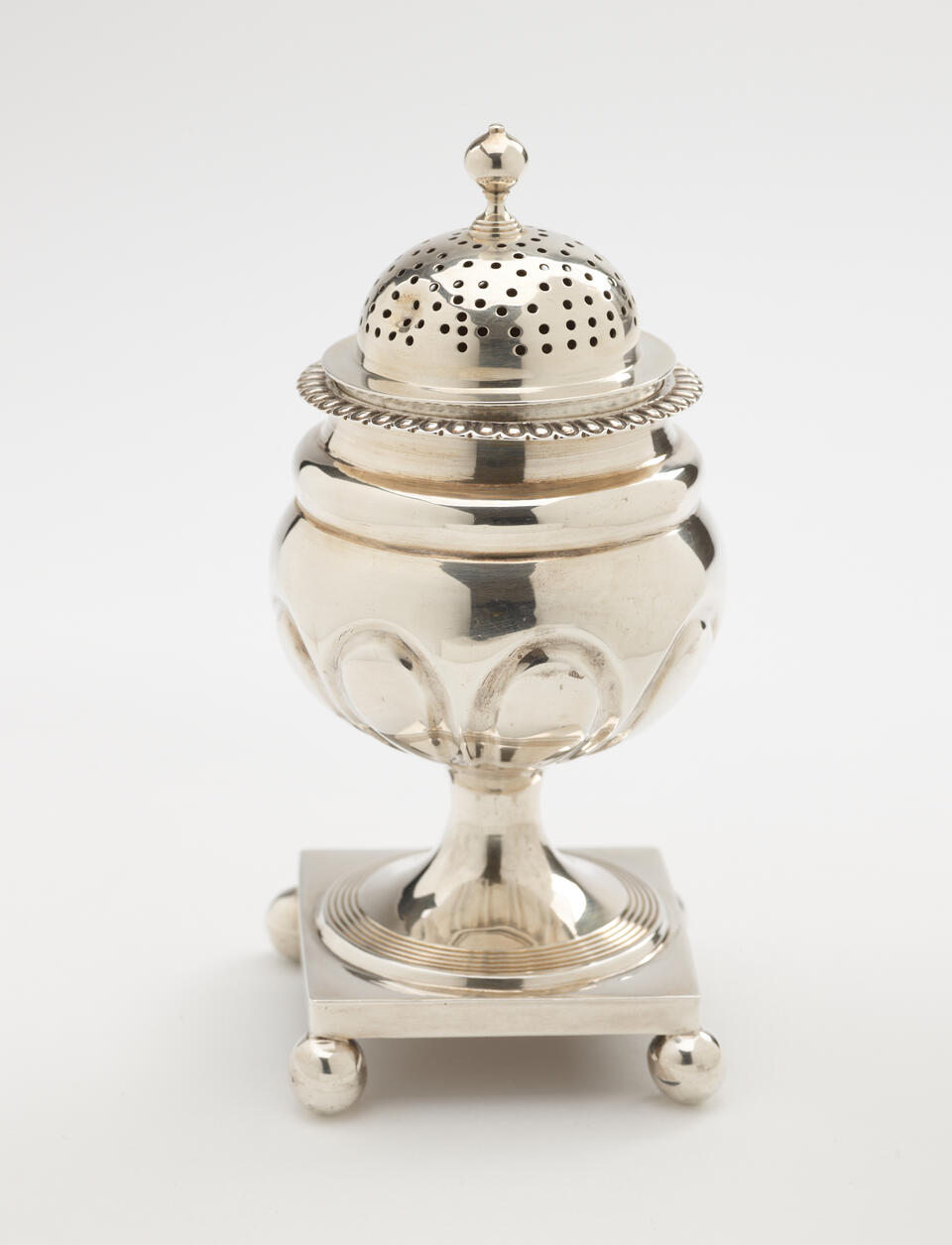
Thomas Wallis I
English, active ca. 1758–1822
Caster, 1809–1810
Silver
Bequest of Mr. Charles L. Pendleton 04.192
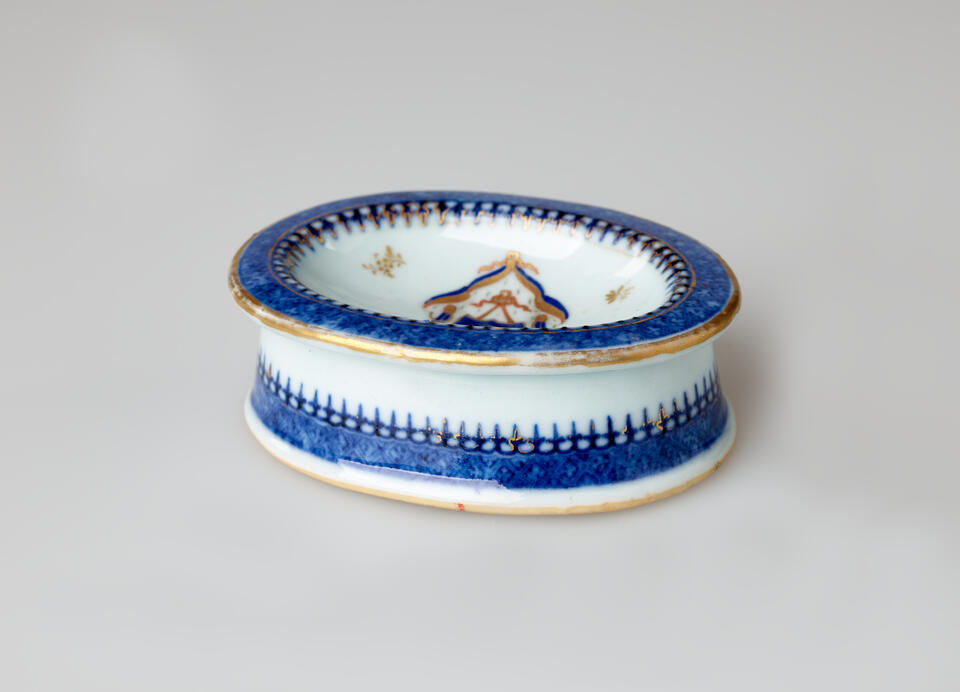
Chinese (for export)
Pair of Trencher Salts, 1790–1800
Porcelain with underglaze blue, glaze, and gilding
Gift of Mrs. C. Oliver Iselin 58.024.19–20
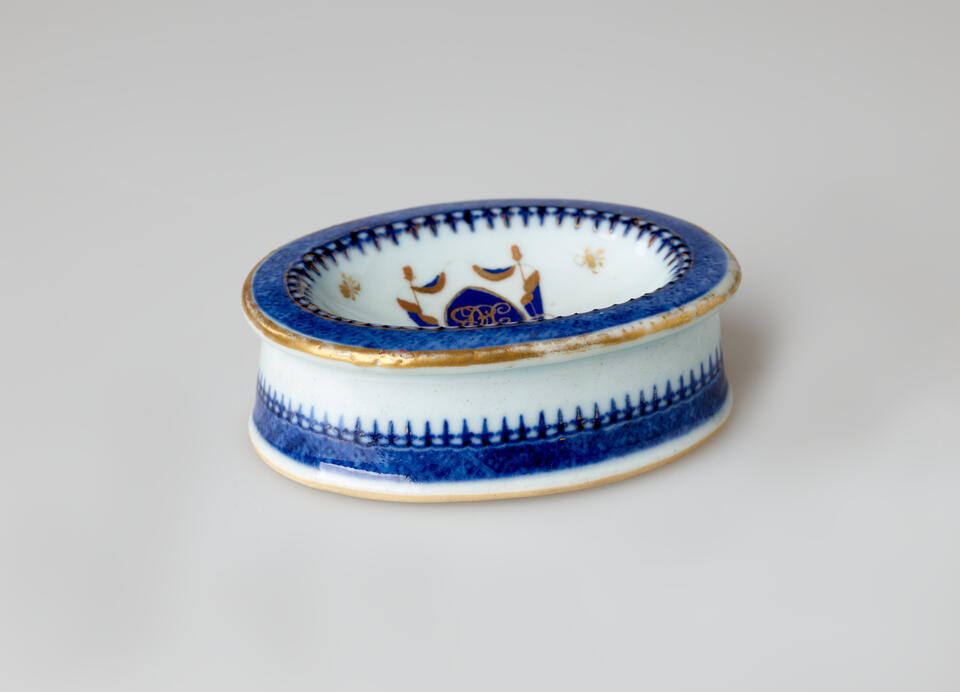
Chinese (for export)
Pair of Trencher Salts, 1790–1800
Porcelain with underglaze blue, glaze, and gilding
Gift of Mrs. C. Oliver Iselin 58.024.19–20
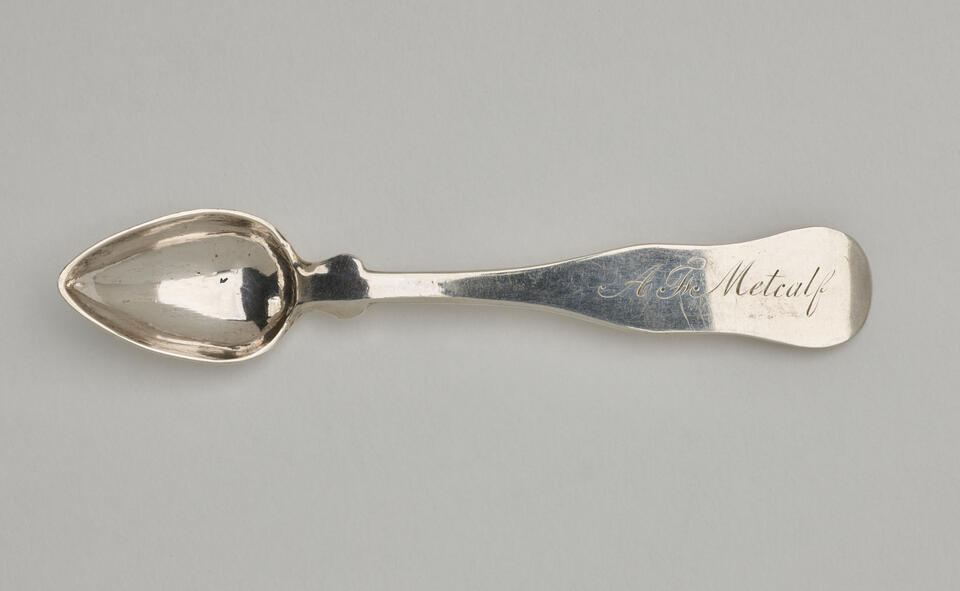
Henry L. Webster
American, active 1831–1864
Pair of Salt Spoons, ca. 1831–1841
Silver
Gift of Mrs. Murray S. Danforth 43.179.1–2
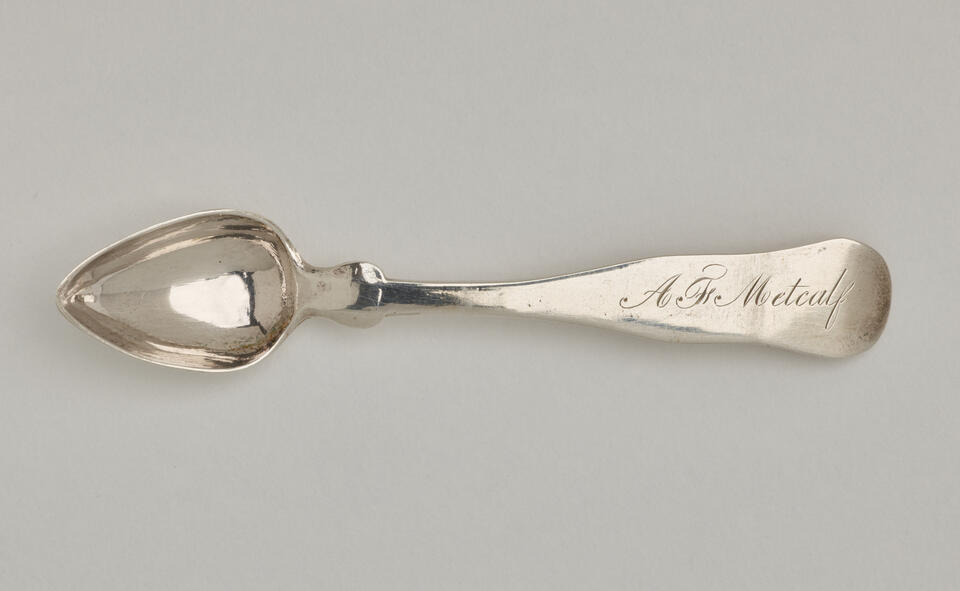
Henry L. Webster
American, active 1831–1864
Pair of Salt Spoons, ca. 1831–1841
Silver
Gift of Mrs. Murray S. Danforth 43.179.1–2