
shelf 1 (right)
Over centuries, as demand for sugar increased, the locations where sugar cane was grown expanded, as did the number of enslaved humans forced to cultivate this labor-intensive crop. Originating in New Guinea, sugar cane was brought to India and then the Caribbean, where the Dominican Republic led production in the early 1500s. A century later, sugar cane became the base of the economy in Dutch-colonized Brazil, where more than 500,000 Africans had been shipped through the Atlantic slave trade to plant, tend, harvest, and process the crop.
Click an object to learn more
Images
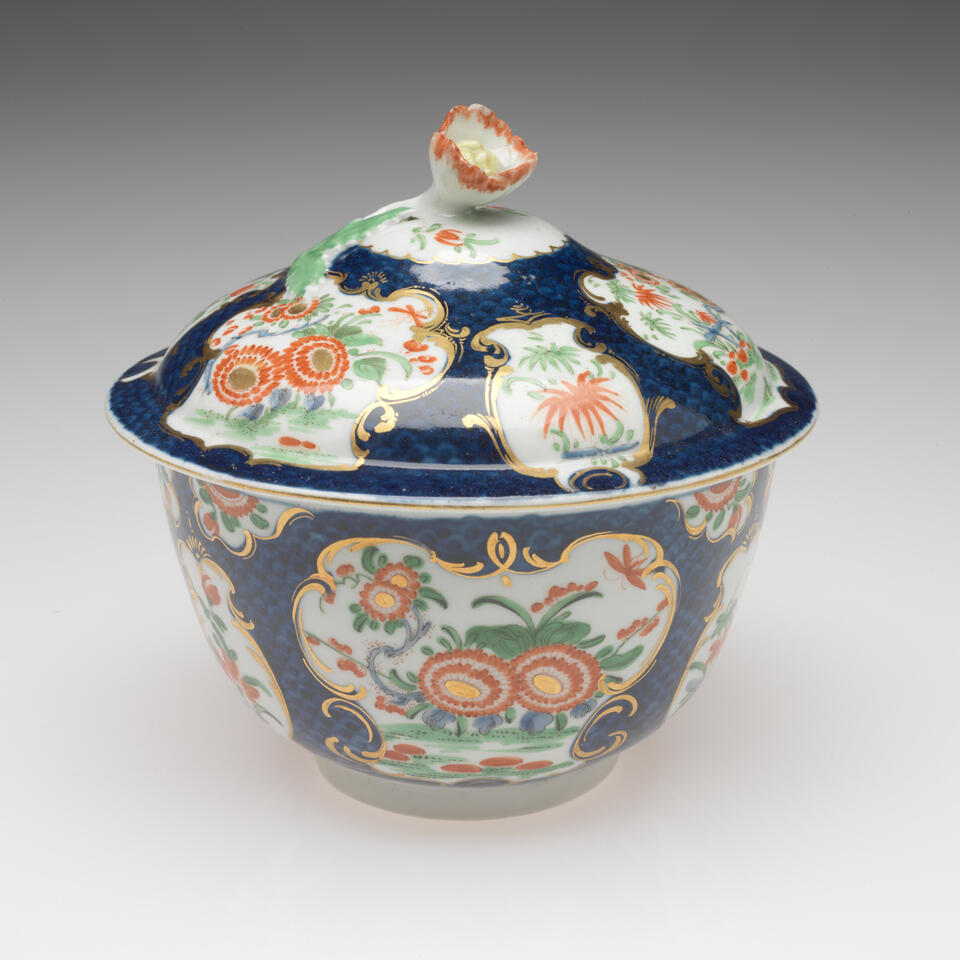
Worcester Porcelain Company, English, 1751–present
Sugar Bowl, ca. 1770
Porcelain with underglaze blue, glaze, overglaze enamel, and gilding
Gift of Mr. and Mrs. Sigmund J. Katz 57.198.9
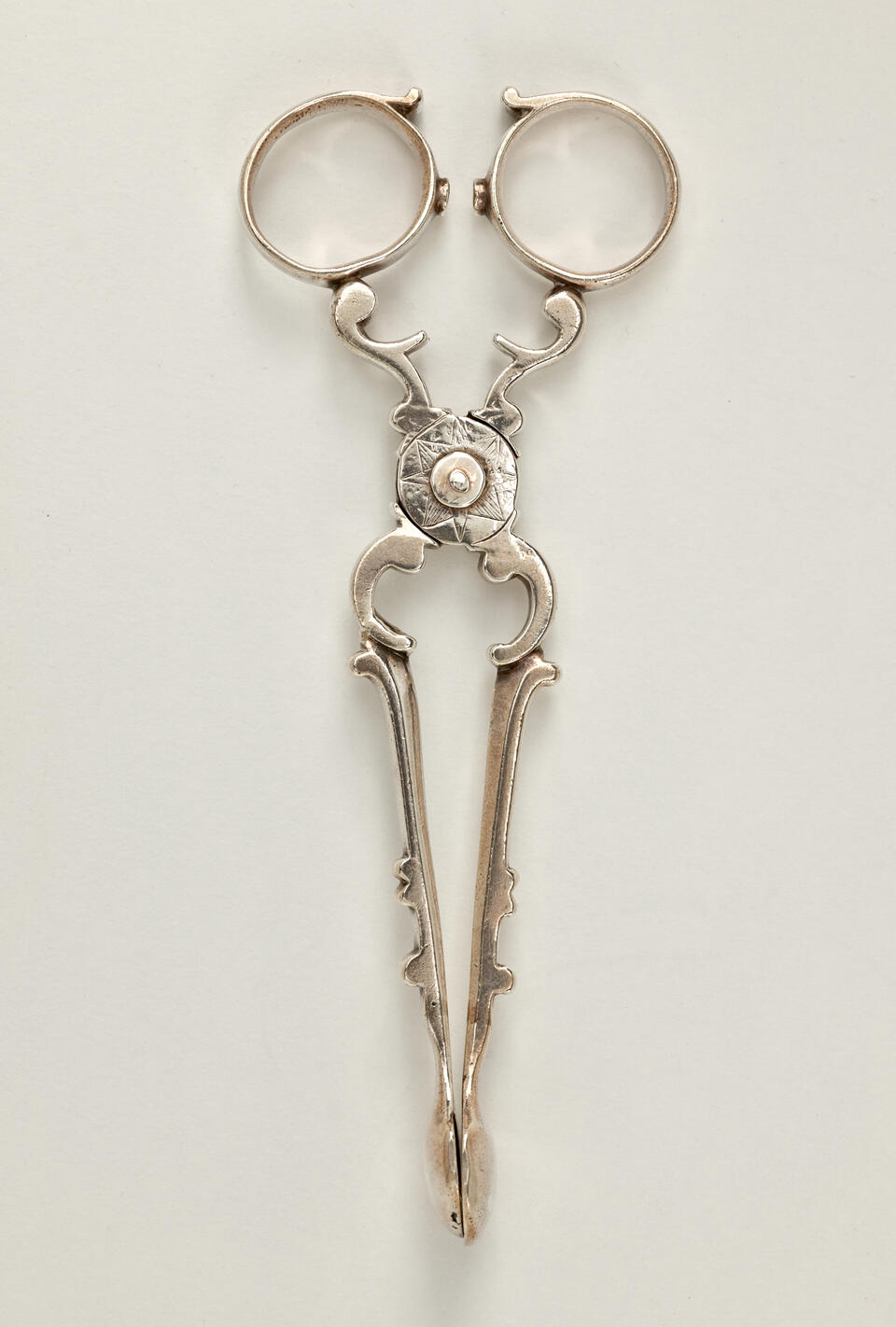
American
Sugar Tongs, 1751
Silver
Gift of the Estate of Elizabeth T. Casey 1989.045.12.308
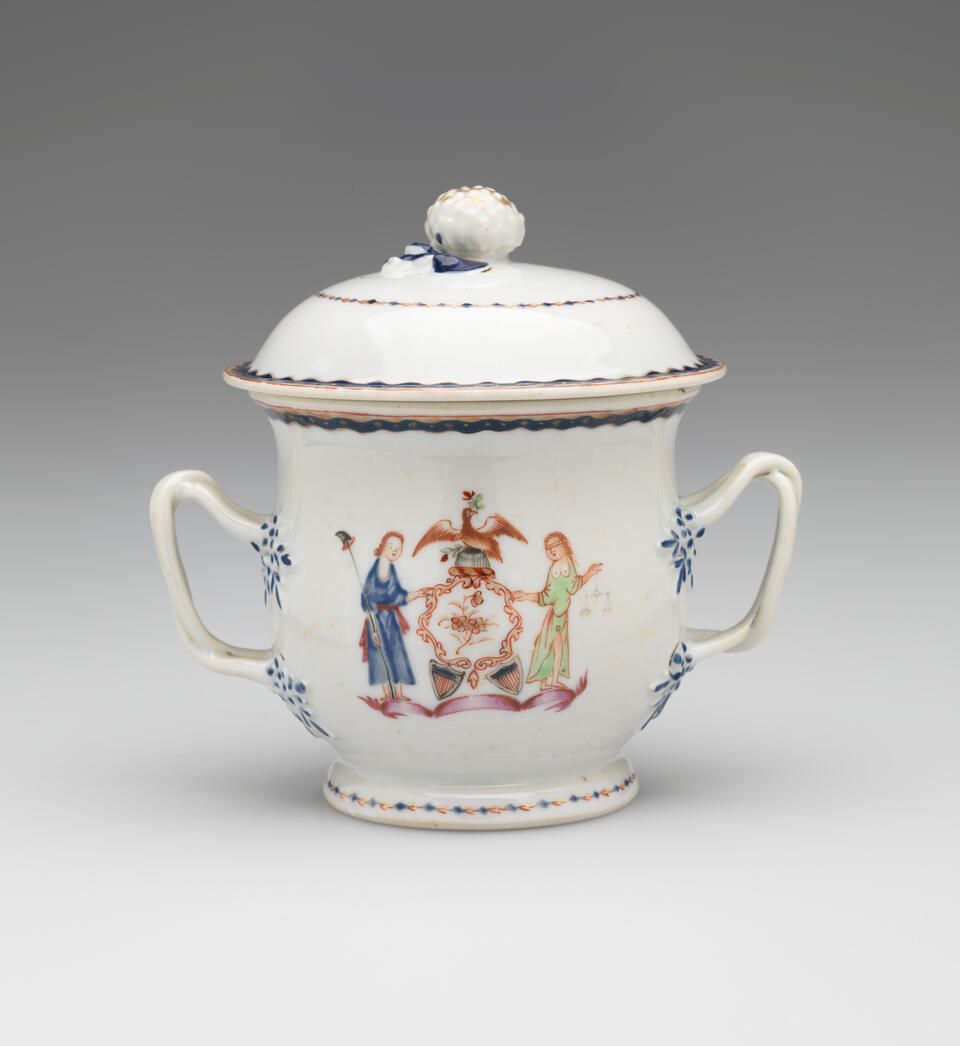
Chinese (for export)
Sugar Bowl, ca. 1800
Porcelain with underglaze blue, glaze, and overglaze enamels
Gift of William H. G. Temple 26.064
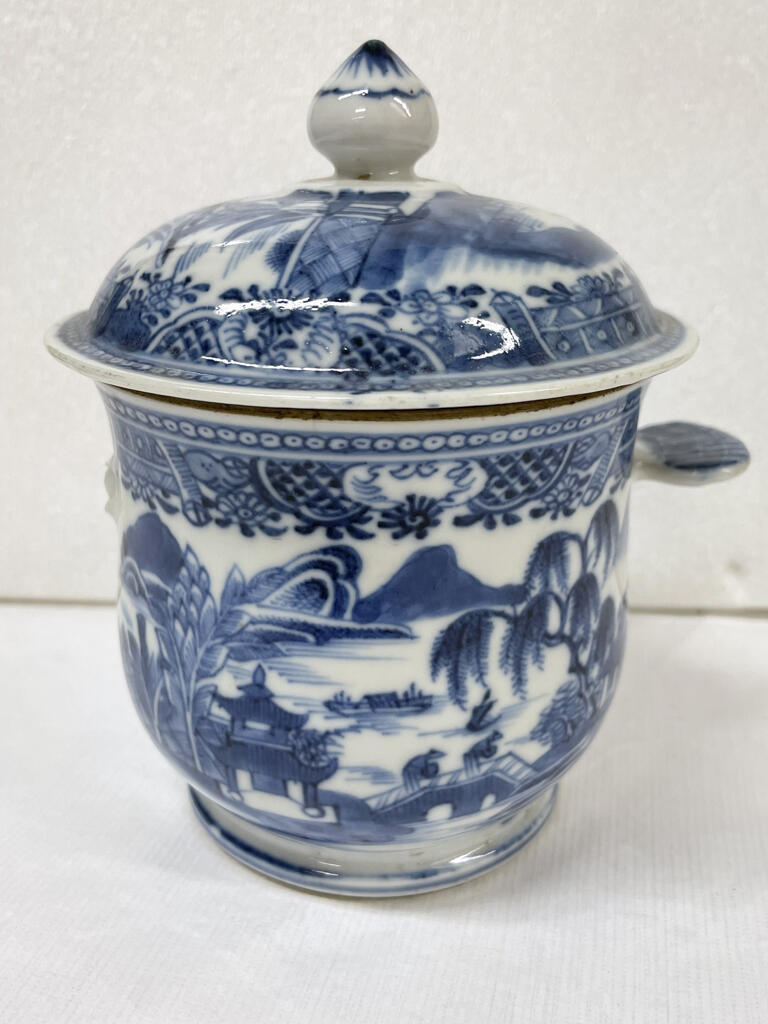
Chinese (for export)
Sugar Bowl, ca. 1750
Porcelain with underglaze blue and glaze
Gift of William H. Claflin 1991.179.11
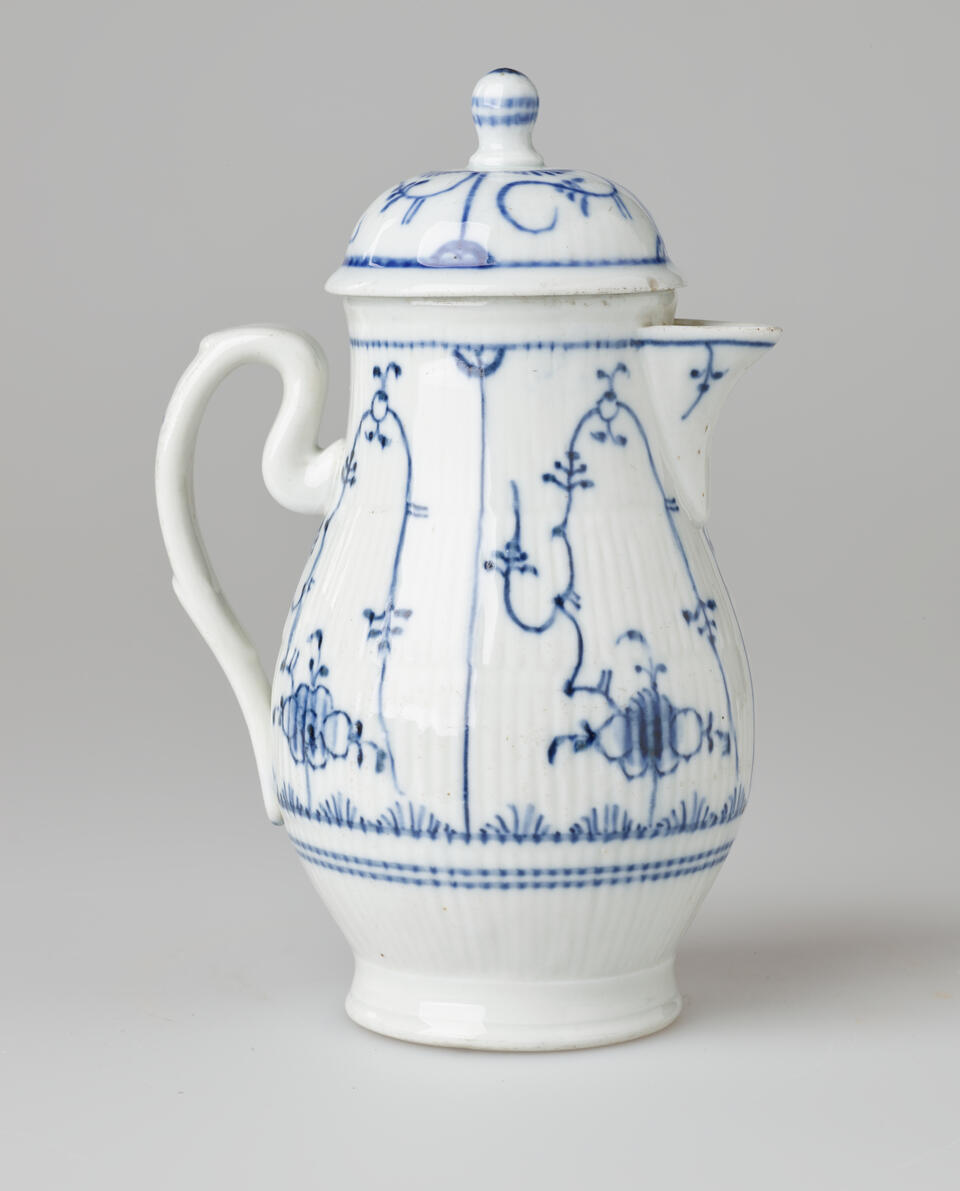
German
Chocolate Pot, ca. 1780
Porcelain with underglaze blue and glaze
Gift of Mrs. Arnold B. Chace, Jr. 44.751
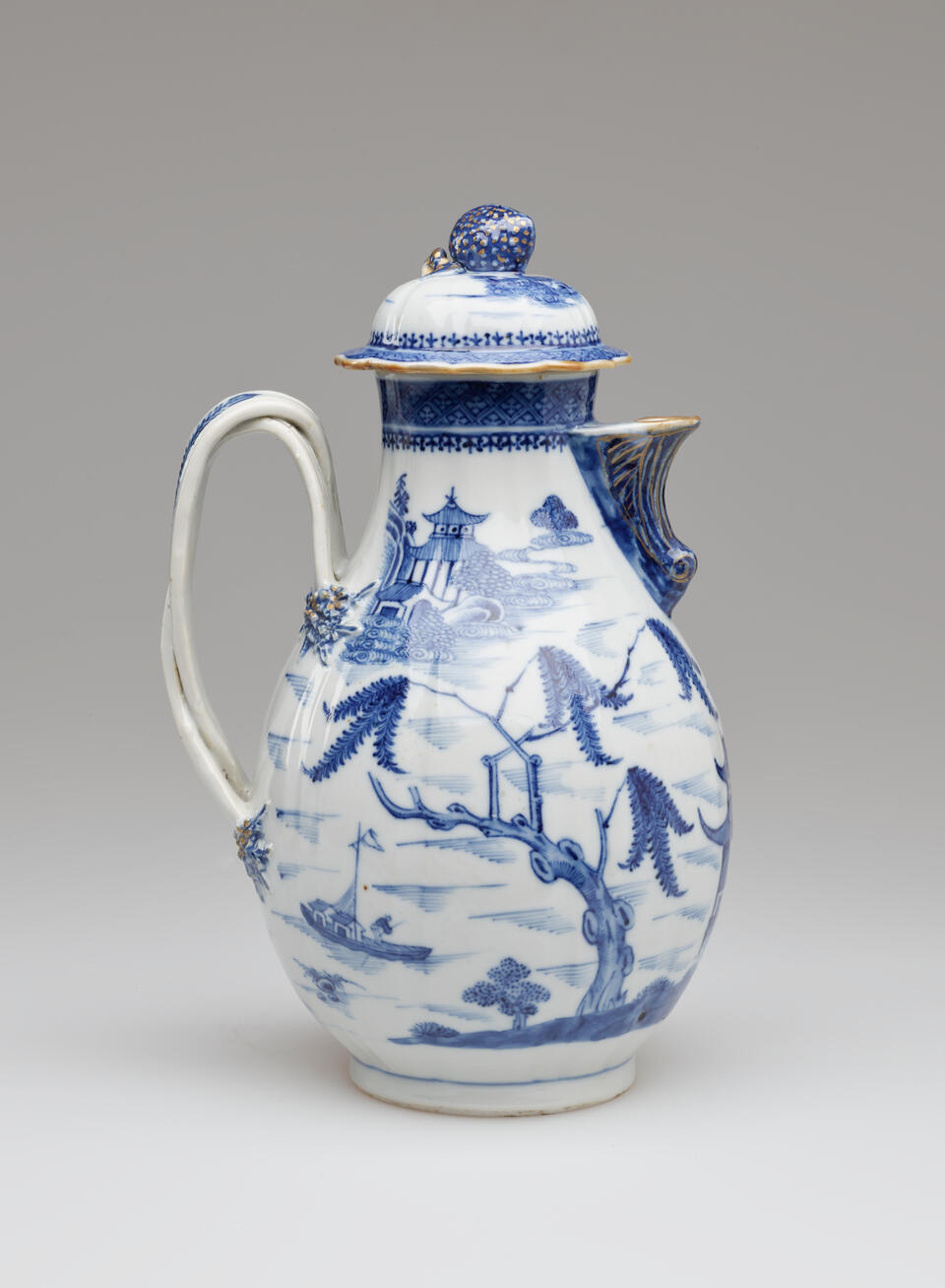
Chinese (for export)
Chocolate Pot, 1800
Porcelain with underglaze blue, glaze, and gilding
Bequest of Mrs. Hope Brown Russell 09.215