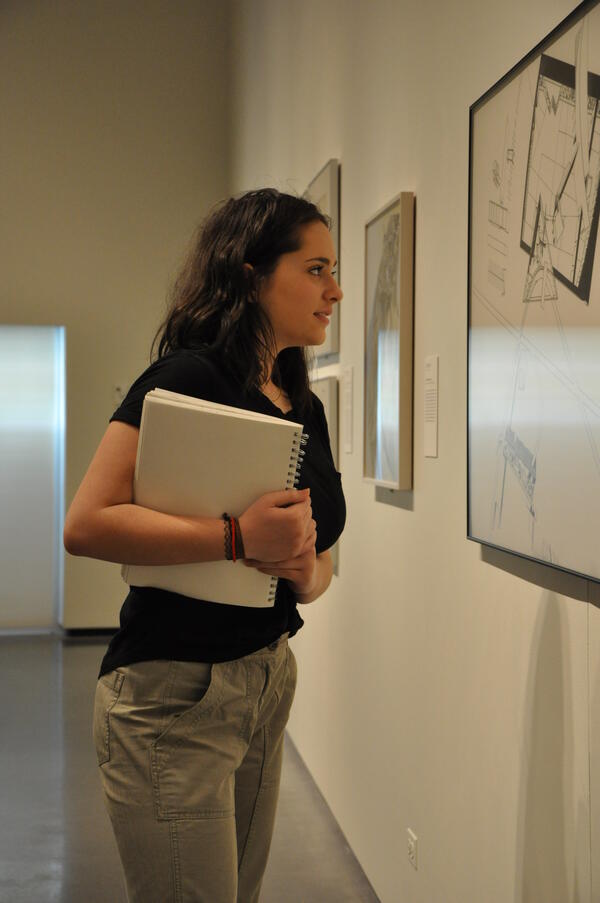
Faculty member Rosa Weinberg reflects on the relevancy of art analysis as a starting point for exploring form in design and as a powerful habit of mind for beginning designers.
As the RISD Museum hosts the final stop on the tour of Graphic Design: Now in Production, an exhibition that began at the Walker in 2011, we're starting a series that updates the show by checking in with some of the designers featured in it, to see the work they have been doing since 2010.
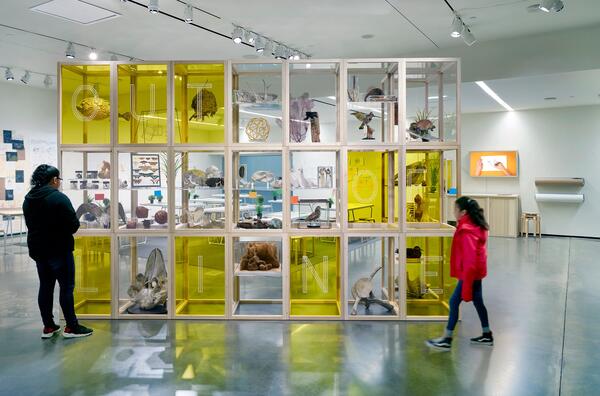
This was the introduction to Out of Line, an open studio space for RISD Museum visitors during the run of the exhibition Lines of Thought: Drawing from Michelangelo to Now From the British Museum (October 6, 2017–January 7, 2018).
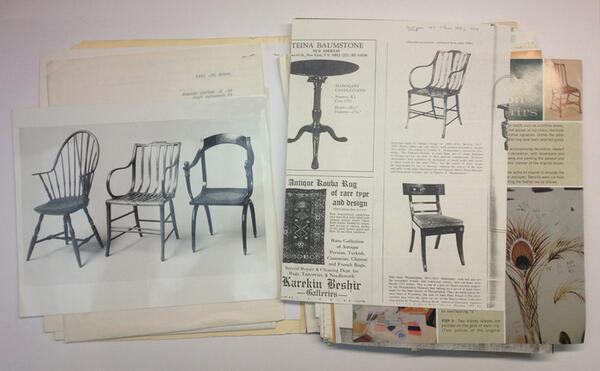
RISD Museum intern Alicia Valencia (RISD 2015, Furniture) explains how the act of looking closely formed her impressions on Samuel Gragg's Elastic armchair.
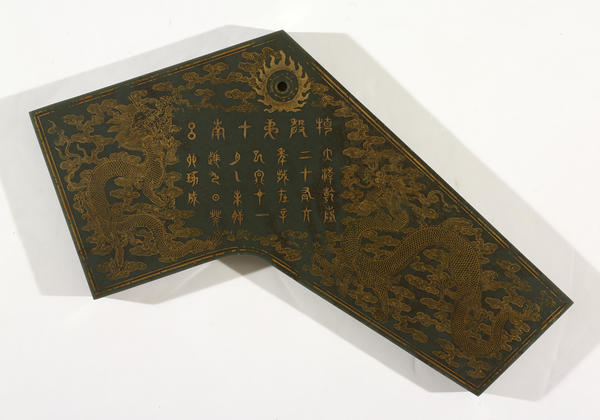
A jade lithophone from 18th-century China offers insight to the significant role of ritual music in ancient China—as an essential part of state rite to assert the legitimacy of reign.
The woman in Frank W. Benson's Lady Trying on a Hat has always been a character who caught my eye during visits to the Museum. From her averted gaze to the contrast between her white dress and the black hat, she is poised to play the lead role on the stage that Benson created.
How a project designed to enhance pain management was born and made possible by the collaboration between RISD Museum and the Brown Emergency Medicine Residency.
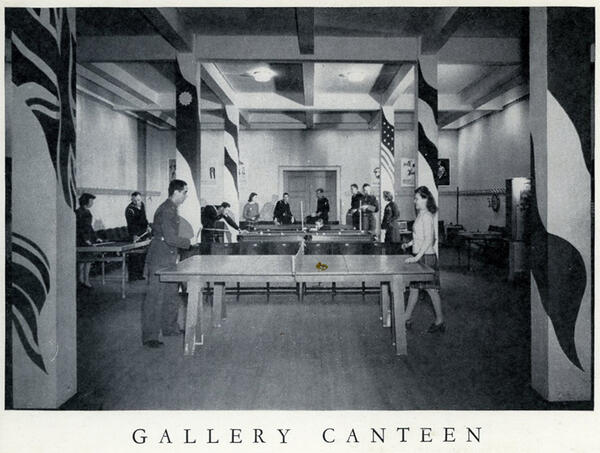
RISD student Joanna Cortez shares how the RISD Museum served the Providence community during World War II. Joanna participated in the Museum's Andrew W. Mellon Summer Internship Program this summer.
Marking the Museum’s entrance into online publishing, Altered States: Etching in Late 19th-Century Paris combines a scholarly collection of essays with a video glossary of printmaking techniques.
The RISD Museum continues to build a robust collaboration with Brown University's Alpert Medical School, providing professional-development opportunities for premedical students, medical students, residents, and practicing attending physicians.
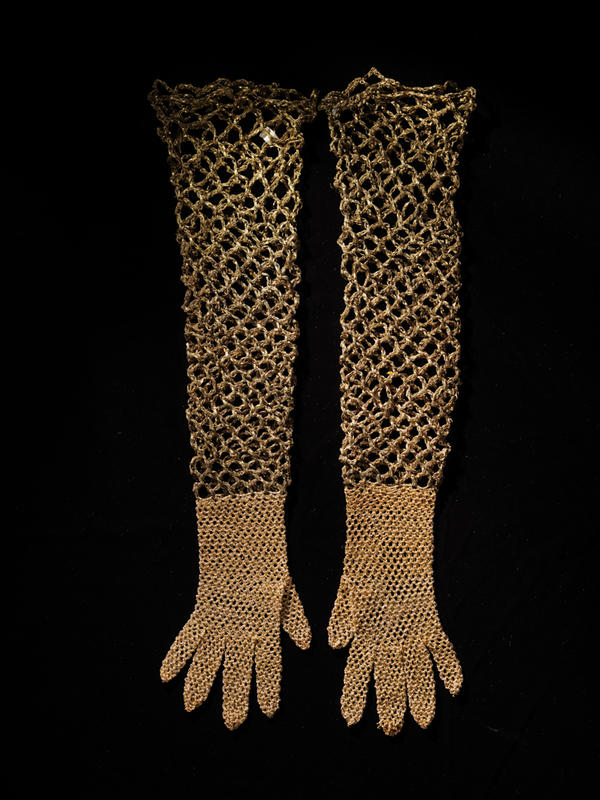
For conservators, fabrics incorporating metallic components raise complex questions about construction, materials, and manufacturing techniques, all of which impact how an object will be stabilized and displayed