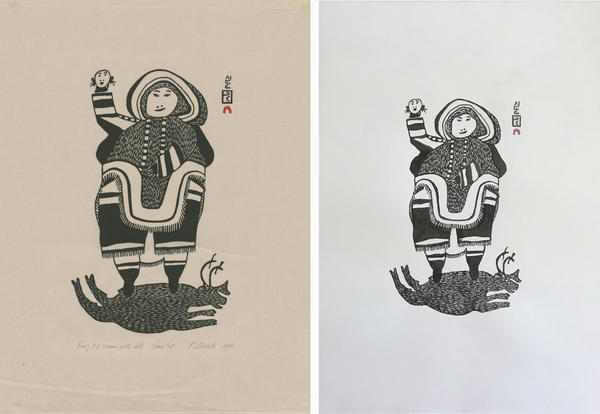
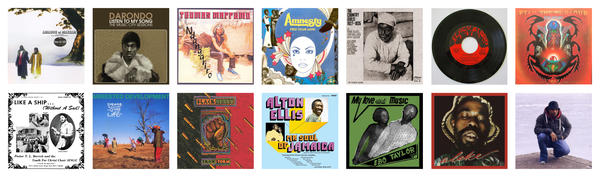
A student dismantles the outdated terminology and practice of “master copies” by constructing a series of copies that works to bolster underrepresented artists and subvert the pervasive presence of white males in the Western art canon.
The handmade object has a tendency to prompt memories from the craftsperson who made it. In this reflection on an embroidered purse from the 1970s, Ariel Wills and Kate Irvin are joined by maker Christina Bevilacqua for a dynamic conversation that demonstrates the narrative qualities embodied in material culture.
A student in a RISD course on pan-African aesthetics contemplates a vinyl record pictured in a Sanlé Sory photograph in the collection, and imagines the songs it contains.
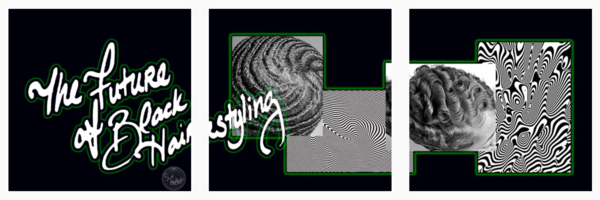
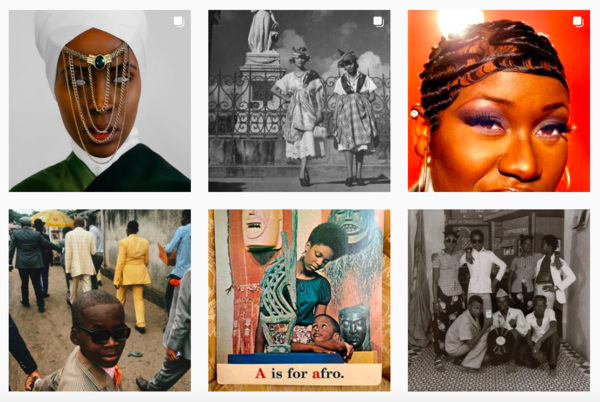
A student in a RISD course on pan-African aesthetics, inspired by a photograph in the collection, explores Black youth occupying space in movements from La Sape to Noirwave.
Faculty member Rosa Weinberg reflects on the relevancy of art analysis as a starting point for exploring form in design and as a powerful habit of mind for beginning designers.
RISD student Tito Crichton-Stuart analyzes Robert Mapplethorpe’s exoticisation of the black body and proposes potential acquisitions that could serve as counterpoints in the collection
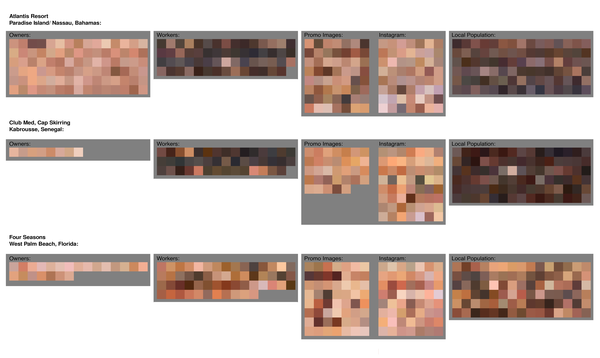
Artist and student Jade Cannata creates a chart describing the racial demographics of three all-inclusive resorts in locations with strong historical connections to colonialism, showing the effects of history on the present
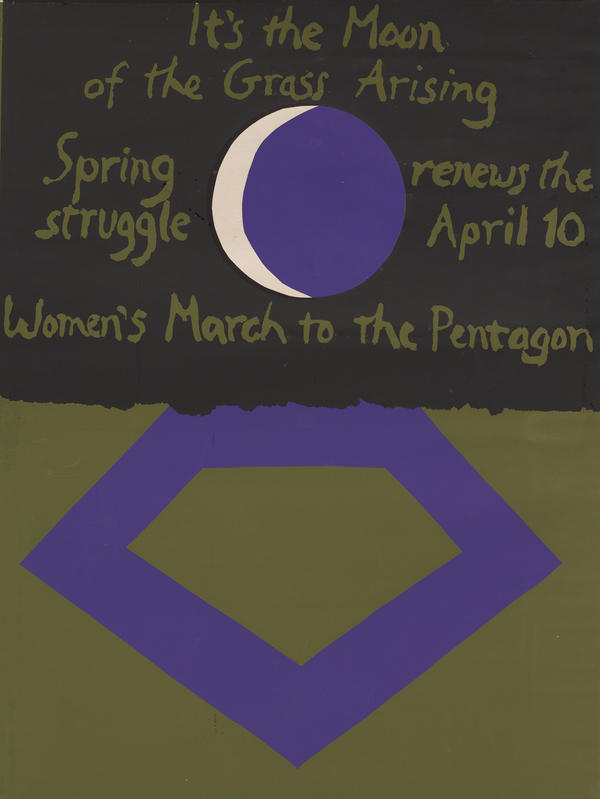
In 1971, a group of radical students in Providence produced stirring silkscreen posters. Their images contributed to the vibrant visual culture of antiwar protest.
Students in Mariela Yeregui's Decolonial E-Textiles class create radical, critical, situated, and anticolonial projects that combine textile techniques with simple and low-tech electronic mechanisms.
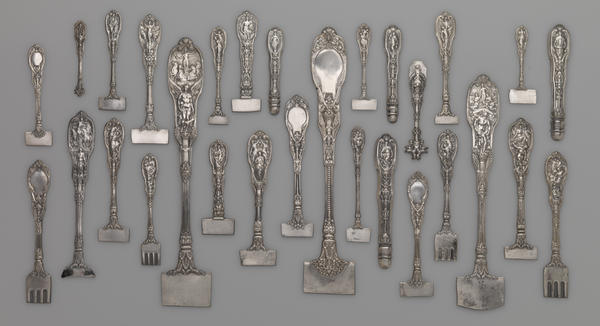
This rare example of Gorham's "Mythologique" flatware service was purposefully left unfinished as they are samples, combining elaborate hand-worked detail with mechanized brute force.
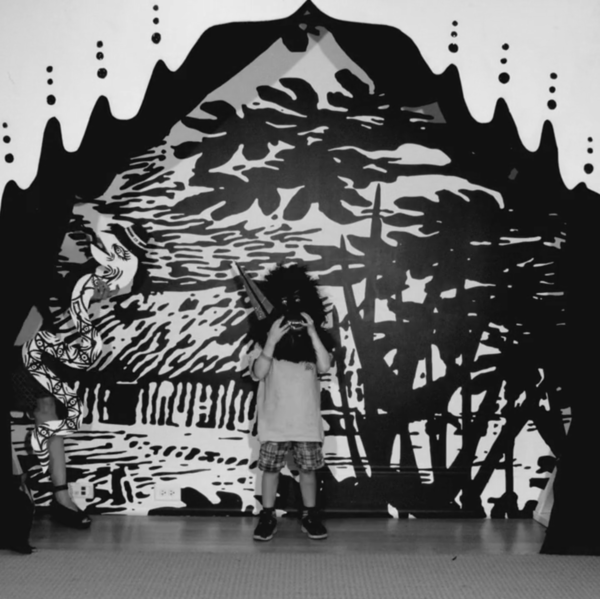
Pixilation Party!, or how, with the help of dozens of RISD Museum visitors, Providence artist Xander Marro recently created one minute of black and white magic.