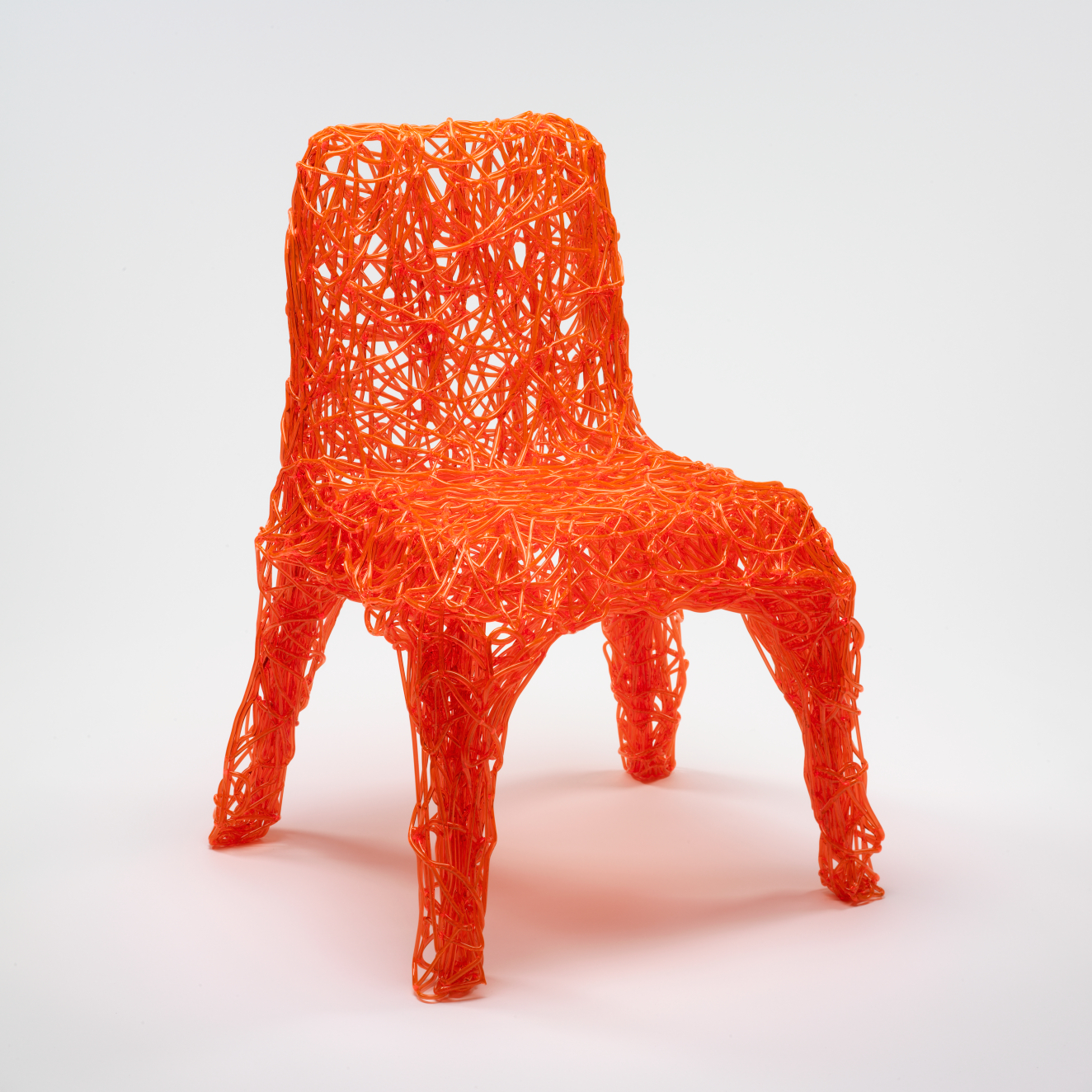
Mariela Yeregui was the 2022–2024 Faculty Fellow in Costume and Textiles at the RISD Museum. In this summary of her work, she describes her research, social practice, and the e-textile she created at the conclusion of the position.
In the Middle Ages, several saints were represented as knights in art, making it difficult to identify RISD’s Crusading Saint. This article will explore his possible identities.
A summer conservation intern’s investigation into the uses of infrared photography in recording Samoan siapo and the significance of new visual information gained.
Architects have been recognized as key figures in furniture design since the late 19th century, although they've certainly been designing furniture for far longer. But what compels them to do so?
Many museums today struggle with confronting their problematic legacies and transforming their current practices to become the diverse, inclusive institutions they aspire to be.
A student dismantles the outdated terminology and practice of “master copies” by constructing a series of copies that works to bolster underrepresented artists and subvert the pervasive presence of white males in the Western art canon.
Arlene Shechet discusses the production of works for and the installation design of Arlene Shechet: Meissen Recast with the exhibition's curator, Judith Tannenbaum.
RISD Museum object photography generally follows typical museum practice: a straightforward approach to framing and lighting with great concern for color fidelity. For *Artist/Rebel/Dandy*, the curators suggested that we go in a different direction.
The discovery of these treasures resembles that of a valuable manuscript. They are a new “Codex Africanus,” not written on fragile papyrus, but in ivory and imperishable brass.
This salad spoon and fork set, made by the Gorham Manufacturing Company ca. 1885, is named after the coastal town of Narragansett, Rhode Island. Replete with intricately detailed shells, seaweed, and sea creatures—including small fish and tiny crabs—these two sea-encrusted utensils were my point of inspiration for a set of five brooches. In the following article I will describe some of the basic processes used to create my Narragansett-inspired jewelry
In 1971, a group of radical students in Providence produced stirring silkscreen posters. Their images contributed to the vibrant visual culture of antiwar protest.
Artist and student Jade Cannata creates a chart describing the racial demographics of three all-inclusive resorts in locations with strong historical connections to colonialism, showing the effects of history on the present