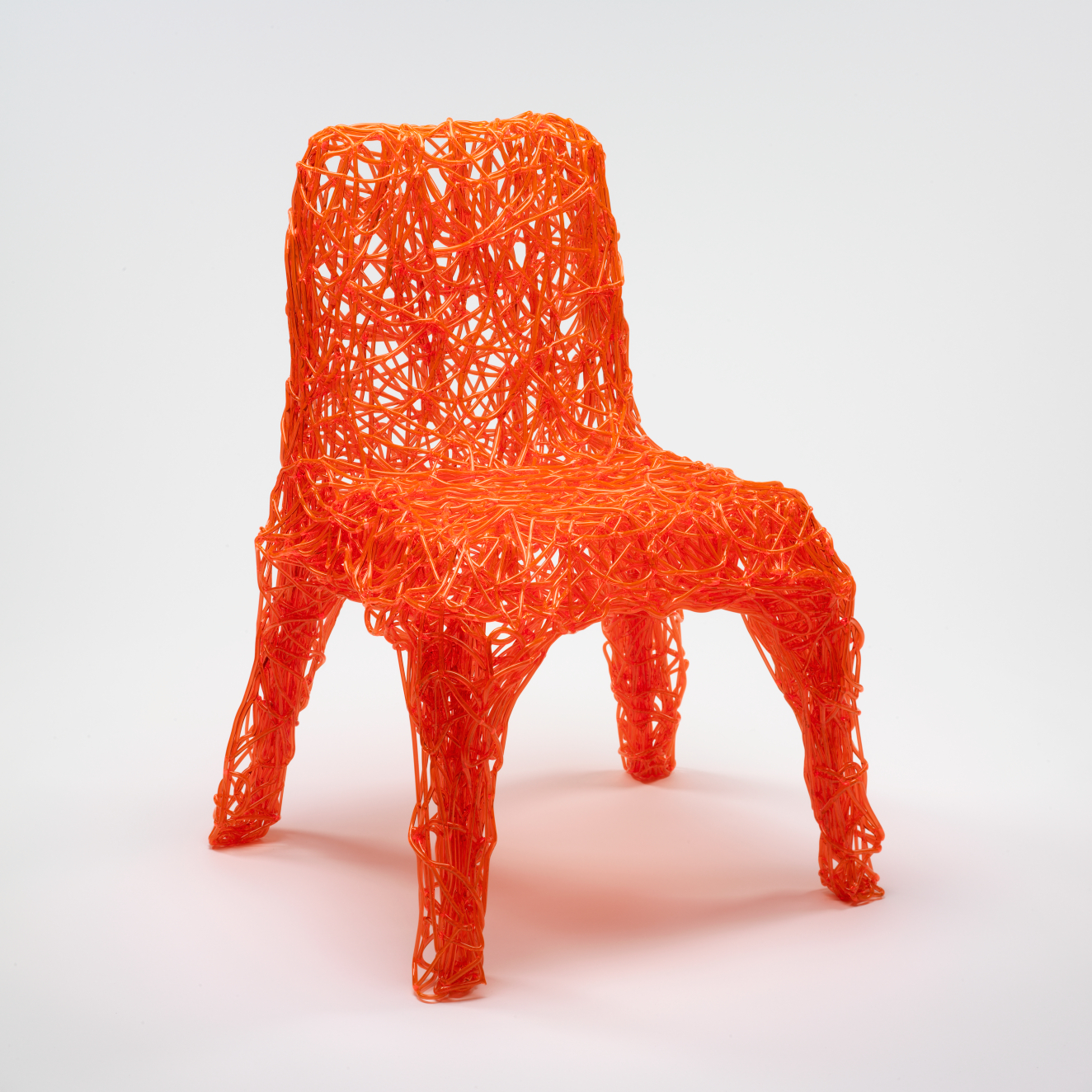
Faculty member Rosa Weinberg reflects on the relevancy of art analysis as a starting point for exploring form in design and as a powerful habit of mind for beginning designers.
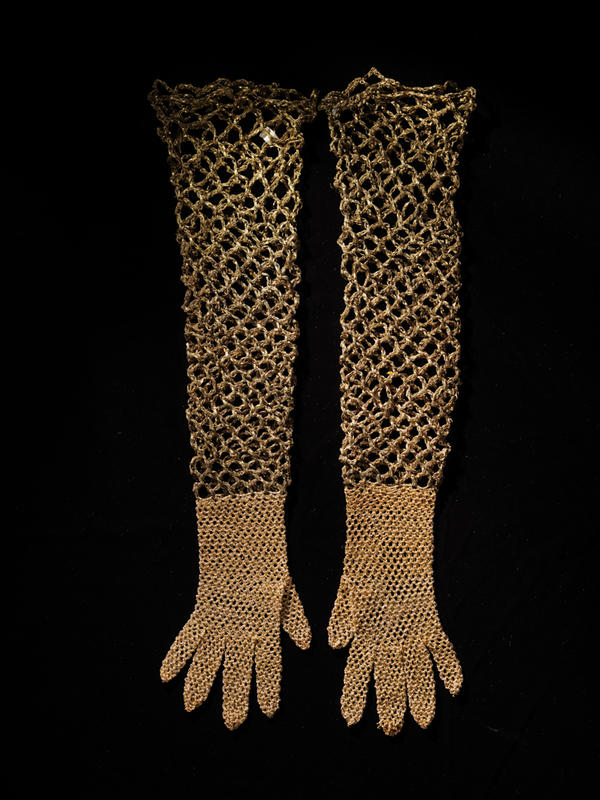
For conservators, fabrics incorporating metallic components raise complex questions about construction, materials, and manufacturing techniques, all of which impact how an object will be stabilized and displayed
How do we describe images and the experience of looking at images? Student Grace Xiao reflects on the process of writing alt text for "Variance: Making, Unmaking, and Remaking Disability."
Arlene Shechet discusses the production of works for and the installation design of Arlene Shechet: Meissen Recast with the exhibition's curator, Judith Tannenbaum.
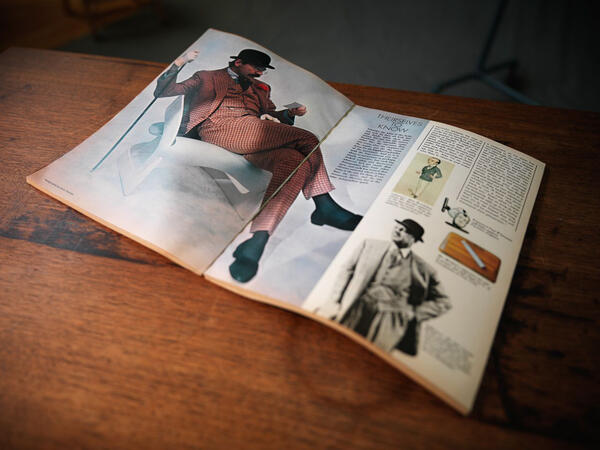
RISD Museum object photography generally follows typical museum practice: a straightforward approach to framing and lighting with great concern for color fidelity. For *Artist/Rebel/Dandy*, the curators suggested that we go in a different direction.
The discovery of these treasures resembles that of a valuable manuscript. They are a new “Codex Africanus,” not written on fragile papyrus, but in ivory and imperishable brass.
Albert Bierstadt was born in Solingen, Germany, but came to the United States with his family in 1832 and settled with them in New Bedford, Massachusetts.
Curatorial intern Grace Xiao reflects on viewing artwork that embraces instability, disruption, and restlessness, making room for open interpretations in the gallery.
A rare female artist, Diana Mantuana's engraving of Atilius Regulus in a Barrel plays an important role in the history of the practice of printmaking and its reception in Renaissance Italy.
An exploration of the intriguing relationships between works in Martin Boyce's mid-career survey exhibition at the RISD Museum and objects by Alexander Calder, Charles and Ray Eames, and Dan Flavin in the museum's collection.